Learn how to buy, top up and use a T-money card in Korea, avoid transfer mistakes, and handle leftover credit before your trip ends.
By Kora | Inside Korea Guide | Checked October 13, 2026
A transport card makes your first few days in Korea much easier: load a balance, tap at the reader, and keep moving. The part that catches visitors out is that buying the card and adding travel credit are separate steps. This guide focuses on a physical prepaid T-money card, with Seoul transfer examples clearly marked.
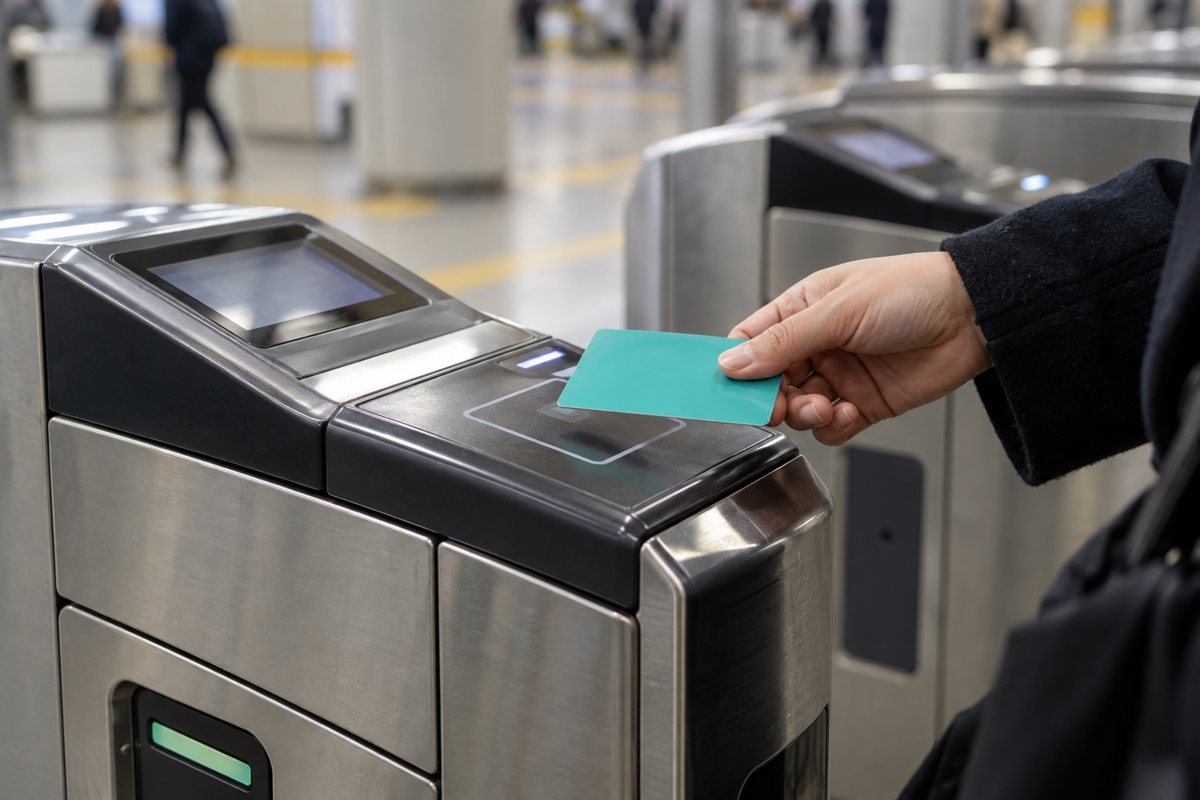
Start here: your first T-money purchase
Ask for a T-money card at a convenience store such as CU, GS25 or 7-Eleven. Availability and designs vary. Before paying, check the card price and ask whether any travel balance is included. Do not assume the price printed on the packaging is usable credit.
VISITKOREA lists ordinary cards at approximately ₩3,000–₩5,000. Tmoney separately lists its TMONEY TRAVEL CARD at ₩4,000 and TRAVEL CARD + at ₩6,000. These are different products; a character design or special edition may cost more.
| Expense | What to budget |
|---|---|
| Physical card | Usually separate from travel credit; check the specific product |
| First top-up | ₩10,000–₩20,000 is a suggested starting amount, not a fixed trip cost |
| Further journeys | Add credit as needed; fares depend on route and distance |
For a short stay, small top-ups are easier to manage than loading your whole holiday budget. Plan a separate balance for each traveler using the subway.
How to top up a physical card
Carry Korean won cash for ordinary in-person top-ups. Being able to buy snacks with a foreign credit card does not mean the same checkout can use that card to reload T-money. Do not make your first train ride depend on an untested mobile-wallet or overseas-card top-up option.
At a convenience store
- Show the card to the cashier and say the amount you want to add.
- Try: “T-money, ten thousand won, please.” You can also show “티머니 10,000원 충전해 주세요.”
- Follow the cashier's instructions and leave the card on the reader until the transaction is finished.
- Check the resulting balance before leaving.
At a subway station
Look for a ticket machine with a transportation-card recharge function. Choose English if available, place your card in the designated area, select the recharge amount, and follow the cash-payment prompts. Wait for completion before removing the card. Machine layouts and accepted banknotes differ.
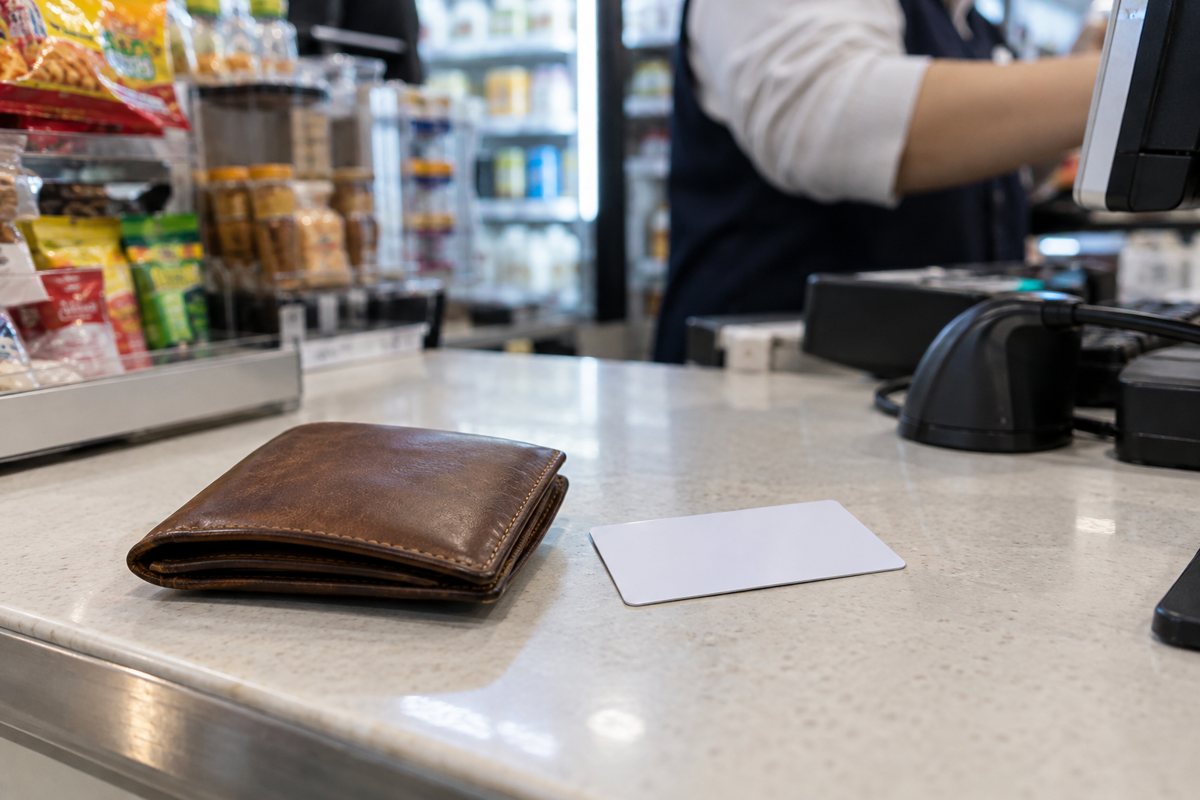
How to use it on the subway and bus
Subway: tap in and tap out
Take the card out of a wallet containing other contactless cards. Hold it over the reader and wait for approval before walking through. Keep the same card for the exit gate. If the gate rejects it, step aside and ask station staff rather than following another passenger through.
If your balance is too low when exiting, use the fare-adjustment machine near the gates or ask staff. Seoul's official subway guide specifically identifies these machines as an option for insufficient balances.
Bus: tap when boarding and before leaving
Use the entrance reader when you board, press the stop button before your stop, and tap the exit reader before getting off. Keep your card ready so you do not have to search for it beside the doors.
In Seoul's integrated system, eligible transfers generally require boarding within 30 minutes of the previous tap-out, extended to 60 minutes from 9 p.m. to 7 a.m. The same bus route does not qualify as a normal discounted transfer. Distance charges can still apply: a transfer discount does not promise that every onward ride costs zero. Other cities have their own rules.
What T-money does not automatically cover
T-money is a prepaid payment method, not an unlimited sightseeing pass or a reservation. For a KTX journey, a reserved airport service, or any separately ticketed trip, check the operator's booking and payment rules before arriving. Do not assume a transit-card balance reserves a seat.
It also does not follow that every café or shop accepts it. Look for the T-money acceptance mark or ask before ordering. A payment card with an additional transport function can have separate payment and transit balances.
Leftover balance and refunds
Check your balance before the final day. VISITKOREA says smaller T-money balances can be refunded at convenience stores, while refunds above ₩50,000 require Tmoney Town. Store limits, handling fees and eligible card types can differ, so ask about the net refund before proceeding. Avoid leaving a large refund until you are rushing to the airport.
The deposit-return machine used for a disposable subway ticket is a different system. Do not insert a reusable T-money card expecting the single-journey ticket deposit procedure.
FAQ
Does each person need a card?
Use one card per subway passenger. Although Seoul buses have a driver-assisted multi-passenger arrangement, its transfer conditions are more restrictive. Separate cards are the simpler choice for mixed bus-and-subway trips.
Can children get discounted fares?
Eligible children and teenagers need their date of birth registered to receive the appropriate transport discount. Ask the seller to check eligibility and complete the registration; do not assume a newly purchased card automatically charges a child fare.
Can I use my foreign credit card instead?
Do not assume an ordinary overseas bank card works at a transit gate just because it is contactless. Arrange a supported transport payment method before traveling.
Is the KOREA TOUR CARD still sold?
Tmoney's current English page says it has been discontinued for sale and describes the newer TMONEY TRAVEL CARD products. Older travel articles may still recommend it by its former name.
One useful stop while you recharge
If you are topping up at a convenience store, our Korean convenience store food guide can help you choose a quick meal for the rest of your day.
Sources & References
- Korea Tourism Organization: Transportation Cards — purchase locations, indicative prices, youth registration and refund guidance.
- Tmoney: TMONEY TRAVEL CARD — current tourist-card products and discontinued KOREA TOUR CARD notice.
- Seoul Metropolitan Government: Modes of Transport — boarding, alighting and Seoul transfer conditions.
- Seoul Tourism Organization: Subway — gate use, insufficient balances and single-journey deposits.
Official information checked October 13, 2026. Prices, refund handling and local transport rules may change; check the operator for your specific journey.
'Korea Travel' 카테고리의 다른 글
| Busan Sky Capsule Guide: Tickets, Prices & Best Route (0) | 2026.10.17 |
|---|---|
| Gyeongbokgung Palace Guide: Tickets, Hanbok & Visiting Tips (0) | 2026.10.17 |
| Korea eSIM vs SIM Card: Do You Need a Korean Number? (0) | 2026.10.16 |
| Incheon Airport to Seoul: AREX for Hongdae & Myeongdong (0) | 2026.10.14 |
| How to Use Naver Map in English: Korea Travel Guide (0) | 2026.10.14 |